
Unlocking the Power of Acrylates Copolymer: The Essential Backbone of Cosmetic Formulations
In modern cosmetic formulations, many ingredients work silently behind the scenes, ensuring the texture, stability, efficacy, and sensory feel of the final product. Acrylates Copolymer (AC) is one such versatile polymer, indispensable as the structural "backbone" in everything from shampoo to sunscreen.
What is Acrylates Copolymer? (A Scientific Overview)
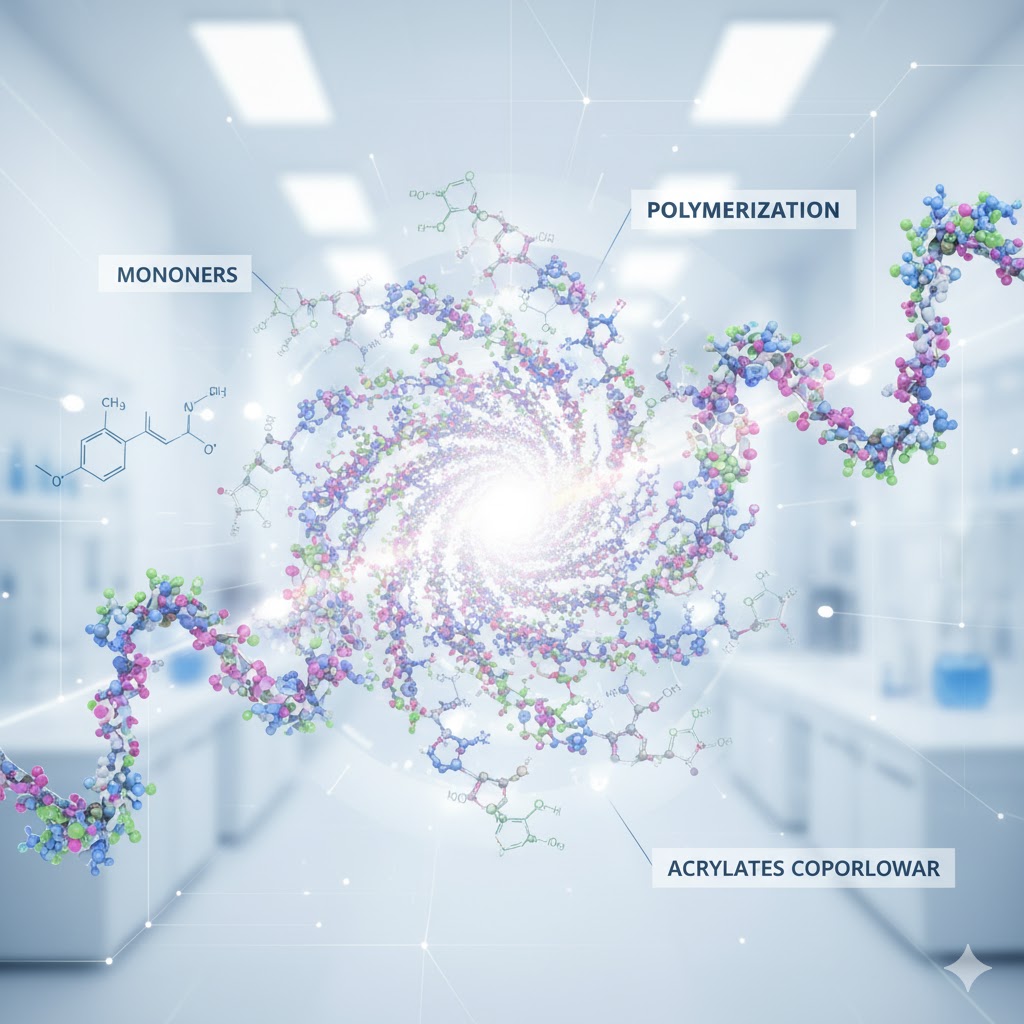
Acrylates Copolymer is an umbrella term for synthetic polymers created by polymerizing various acrylate monomers (such as acrylic acid, methacrylic acid, ethyl acrylate, etc.). This co-polymerization allows for a highly tunable structure, enabling manufacturers to achieve a specific set of functions in a formula.
In cosmetics, ACs primarily function as:
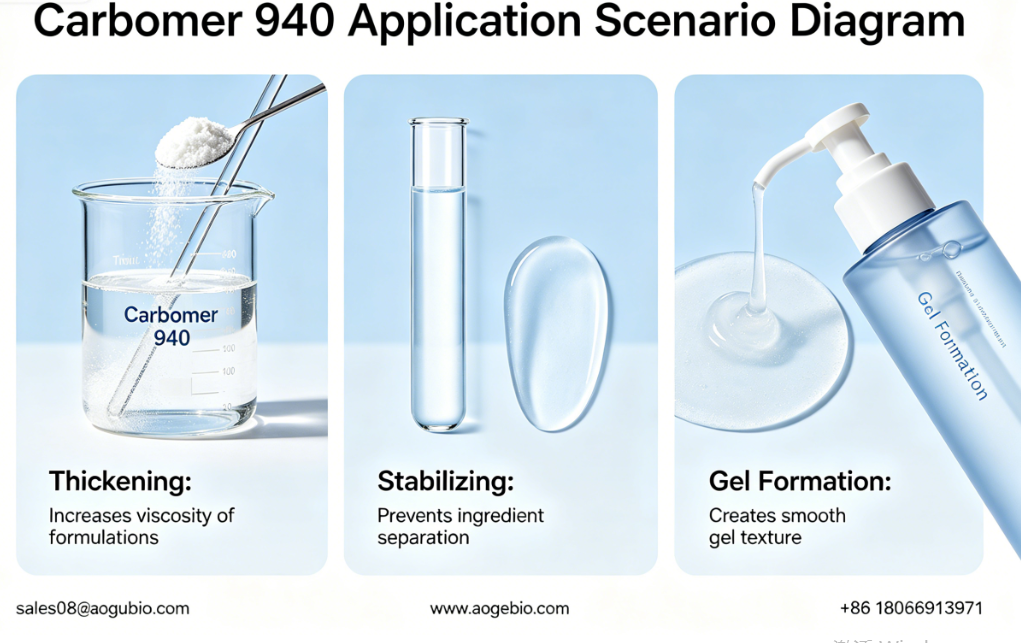
- Thickeners: Significantly increasing the viscosity of liquids, giving products (like gels, emulsions) their desirable flow and spreadability.
- Suspending Agents: Helping insoluble particles (such as Zinc Oxide in sunscreens or glitter in makeup) to remain evenly dispersed and suspended, preventing settling or separation.
- Film Formers: Creating a thin, often durable film on the skin, hair, or nails upon drying, crucial for achieving waterproof, long-lasting, or structural support properties.
The Critical Role of Acrylates Copolymer in Formulations
The functions of ACs are diverse and depend on their specific chemical architecture, but their core value lies in controlling product rheology and stability:
- Enhanced Stability: In lotions and creams, ACs stabilize the oil-in-water system, preventing emulsifiers from failing and the product from splitting.
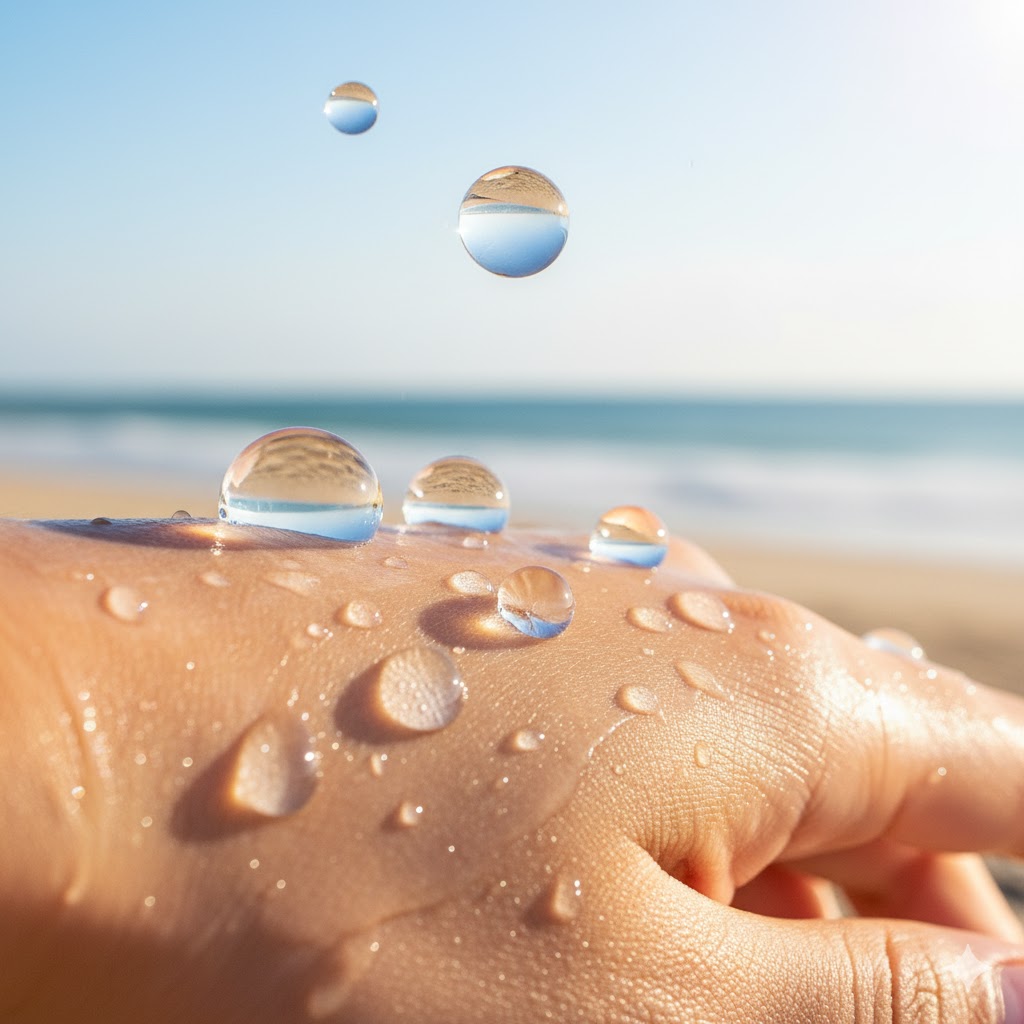
- Water Resistance: In sunscreens and mascaras, specific ACs form robust, hydrophobic films that grant excellent water-resistance and sweat-proof benefits.
- pH Sensitivity (Alkali-Swellable): Many ACs are "Alkali-Swellable Emulsions/Thickeners" (ASEs). They are low-viscosity liquids at low pH but rapidly thicken and activate upon the addition of an alkaline substance (like TriEthanolamine, TEA).
Market Trends and Research Support
As the focus shifts towards "clean beauty" and sustainability, the market for Acrylates Copolymer is seeing continuous innovation:
- High-Efficiency, Gentle Polymers: New ACs are being developed to deliver powerful thickening and stabilization with lower usage levels while maintaining formula clarity and skin mildness.
- Microplastic Replacement: The industry is moving away from solid plastic microbeads and optimizing ACs to be environmentally friendly, focusing on biodegradable or readily water-washable variants to eliminate environmental concerns.
-
Supporting Research Citation:
Research published in the International Journal of Cosmetic Science confirms the essential role of Acrylates Copolymer as a Rheology Modifier. Studies have demonstrated that by precisely adjusting the cross-linking and monomer ratio of ACs, formulators can ensure the uniform dispersion of inorganic UV filters (like Titanium Dioxide and Zinc Oxide) in sunscreens. This precise control is vital for guaranteeing the stable performance and effectiveness (specifically the SPF value) of the sunscreen.
Consumer Questions Answered (Q&A)
Q1: Is Acrylates Copolymer a plastic? Is it bad for the environment?
A: ACs are synthetic polymers. While some historical concerns exist, many modern cosmetic ACs are liquid polymers whose structure differs from the environmentally concerning solid microplastic beads. The industry and regulatory bodies are actively phasing out harmful solid plastic particles and favoring environmentally friendlier, non-persistent ACs.
Q2: Will it clog my pores?
A: Acrylates Copolymer itself is typically non-comedogenic. The film they form on the skin is highly breathable, and they primarily remain on the skin's surface without being absorbed. However, the comedogenicity of any product is ultimately determined by the entire formulation.
Pls kindly contact Alisa for price and COA details via sales02@imaherb.com