

Can Kaolin Clay Really Transform Your Oily Skin Routine?
What Is Kaolin Clay?
Kaolin clay, also known as "china clay," is a naturally occurring aluminosilicate mineral with the chemical formula Al₂Si₂O₅(OH)₄. Its name originates from "Kao Ling," a hill in China where this clay was first mined over 3,000 years ago, initially used for making porcelain and paper coatings before finding its way into skincare. Unlike some other clays, kaolin is composed primarily of the soft mineral kaolinite, which gives it a fine, smooth texture and a naturally white appearance—though it can also come in pinkish or greenish hues depending on trace mineral impurities.
From a chemical standpoint, kaolin clay’s structure is what makes it unique for skincare. Its plate-like particles have a neutral pH and carry a slight negative charge. This charge is key: most impurities on the skin’s surface, including excess sebum, dirt, and even heavy metals, carry a positive charge. When applied to the skin, the negatively charged kaolin particles act like a magnet, drawing out these positively charged impurities without disrupting the skin’s natural barrier. This gentle adsorption process is what sets kaolin apart from harsher cleansers that strip the skin of all oils—including the essential ones that keep it moisturized and protected.
The Environmental Working Group, a leading authority on ingredient safety, rates kaolin with a low hazard score, noting minimal risks for cancer, allergies, or reproductive toxicity. Its natural, stable composition also means it’s compatible with most other skincare ingredients, from vitamins to plant extracts, making it a versatile addition to various formulations.
Key Benefits for Oily Skin: Backed by Research
- Gentle Oil Control Without the "Rebound Effect"
One of the biggest frustrations with many oil-control products is the "rebound effect": after stripping the skin of oil, the sebaceous glands overproduce sebum to compensate, leaving skin even oilier than before. But a 2022 clinical study published in the IFSCC proceedings found that kaolin clayavoids this issue. The study, which tested a blend of Brazilian Kaolin Clays on human subjects, measured sebum production, skin hydration, and barrier function over 7 consecutive days.
Results showed that kaolin effectively reduced excess sebum on the skin’s surface without triggering increased secretion later. Additionally, the clay maintained skin hydration levels and protected the skin’s barrier function. This is critical for oily skin, as a compromised barrier can lead to inflammation and breakouts—two issues that often accompany excess oil.
- Deep Cleansing and Pore Unclogging
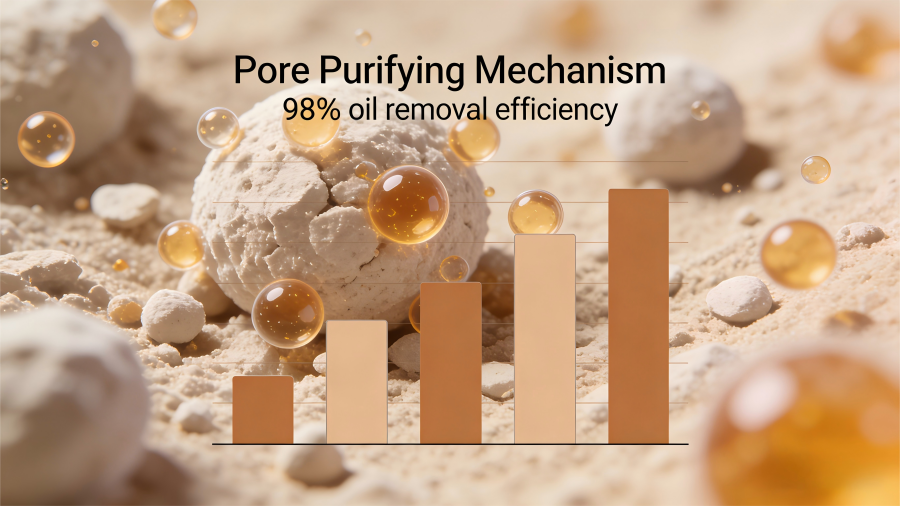
Oily skin is prone to clogged pores, which lead to blackheads, whiteheads, and acne. Kaolin clay’s porous, plate-like structure allows it to penetrate pores gently, absorbing dirt, bacteria, and dead skin cells that accumulate there. A cosmetic surgery expert with 20 years of experience notes that kaolin effectively cleanses the skin without clogging pores or causing breakouts, thanks to its ability to remove traces of pollution and grime.
- Mild Exfoliation for Smoother Skin
Exfoliation is essential for oily skin, as it helps remove dead skin cells that can mix with oil and clog pores. But harsh exfoliants can irritate the skin and damage the barrier. Kaolin clay offers a gentle alternative: its soft particles provide physical exfoliation without causing redness or irritation.
- Soothing Inflammation and Irritation
Oily skin is often accompanied by acne and inflammation, and kaolin clay’s natural mineral content offers soothing benefits. Research shows that kaolin can help calm itchy rashes, bug bites, and mild acne inflammation by absorbing bacteria metabolites and reducing external irritation. While it’s not a replacement for medicated treatments, it provides temporary relief and supports the skin’s natural healing process.
Kaolin Clay in Cosmetics: Common Applications
- Face Masks
Kaolin clay is most commonly found in face masks, where it can work its absorbent and cleansing magic. These masks are typically applied once or twice a week for 10 minutes, allowing the clay to draw out impurities and control oil. Formulations often combine kaolin with other soothing ingredients to enhance its calming effects.
- Cleansers
Many cleansers for oily skin include kaolin clay to boost their cleansing power. Unlike foaming cleansers that can strip the skin, kaolin-infused cleansers use physical adsorption to remove dirt and oil gently. They’re ideal for daily use, as they keep pores clean without disrupting the skin’s barrier. The mild exfoliating properties of kaolin also help these cleansers slough off dead skin cells, preventing buildup.
- Mattifying Products (Foundations, Primers, Powders)
Kaolin clay is a key ingredient in mattifying makeup products, as it helps absorb excess oil throughout the day, extending the wear time of foundation and preventing shine. Its fine, white texture also provides a soft-focus effect, blurring pores and creating a smooth base for makeup. In powders, kaolin’s absorbent properties help control oil on both the face and scalp.
- Sunscreens and BB/CC Creams
In addition to its skincare benefits, kaolin clay improves the texture and stability of cosmetic formulations. In sunscreens and BB/CC creams, it acts as a thickener and suspending agent, ensuring the product spreads evenly and doesn’t separate. Its mattifying effect also helps counteract the greasy texture of some sunscreen ingredients, making it a popular addition to formulas for oily skin.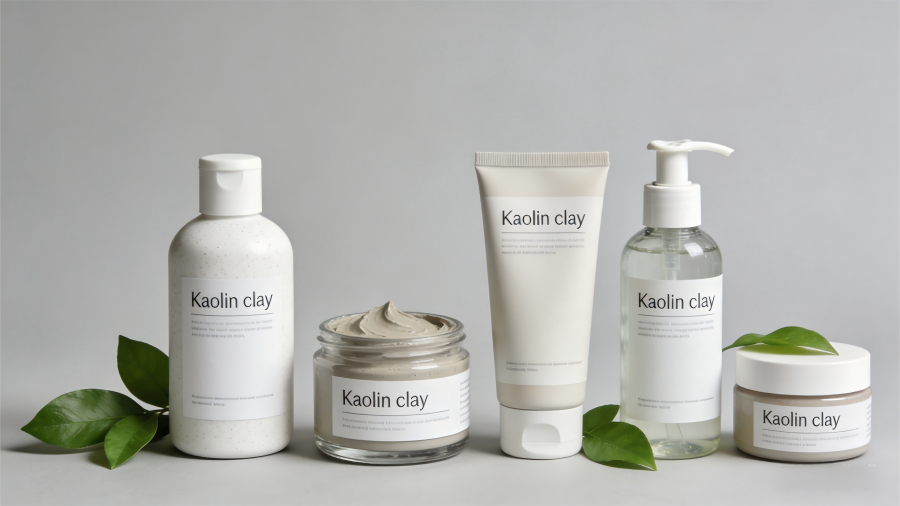
How to Incorporate Kaolin Clay Into Your Oily Skin Routine
- Start with weekly masks: If you’re new to kaolin, begin by using a kaolin clay mask once or twice a week. Apply a thin layer to clean skin, leave it on for 10 minutes, then rinse with warm water .
- Opt for gentle cleansers: For daily use, choose a creamy or gel cleanser infused with kaolin clay. Avoid using harsh scrubs or exfoliants on the same day as your kaolin mask to prevent over-exfoliation.
- Follow with hydration: Even oily skin needs moisture! After using a kaolin product, apply a lightweight, oil-free moisturizer to keep your skin’s barrier healthy and prevent rebound oil production.
- Adjust frequency as needed: If your skin is very oily, you can increase the use of kaolin masks to three times a week. If you notice dryness or irritation, scale back.
The Verdict: Does Kaolin Clay Transform Oily Skin Routines?
Based on the research and real-world benefits, the answer is a resounding yes—for most people with oily skin. Kaolin clay’s unique combination of gentle oil control, deep cleansing, mild exfoliation, and soothing properties addresses the core concerns of oily skin without the harsh side effects of many synthetic ingredients. Unlike trendy products that come and go, kaolin has stood the test of time, with scientific studies confirming its effectiveness and safety.
- Name: Yuki
- E-mail: sales02@nahanutri.com
- WhatsApp:+8618066950297